

Introduction: More Than Just a Showroom
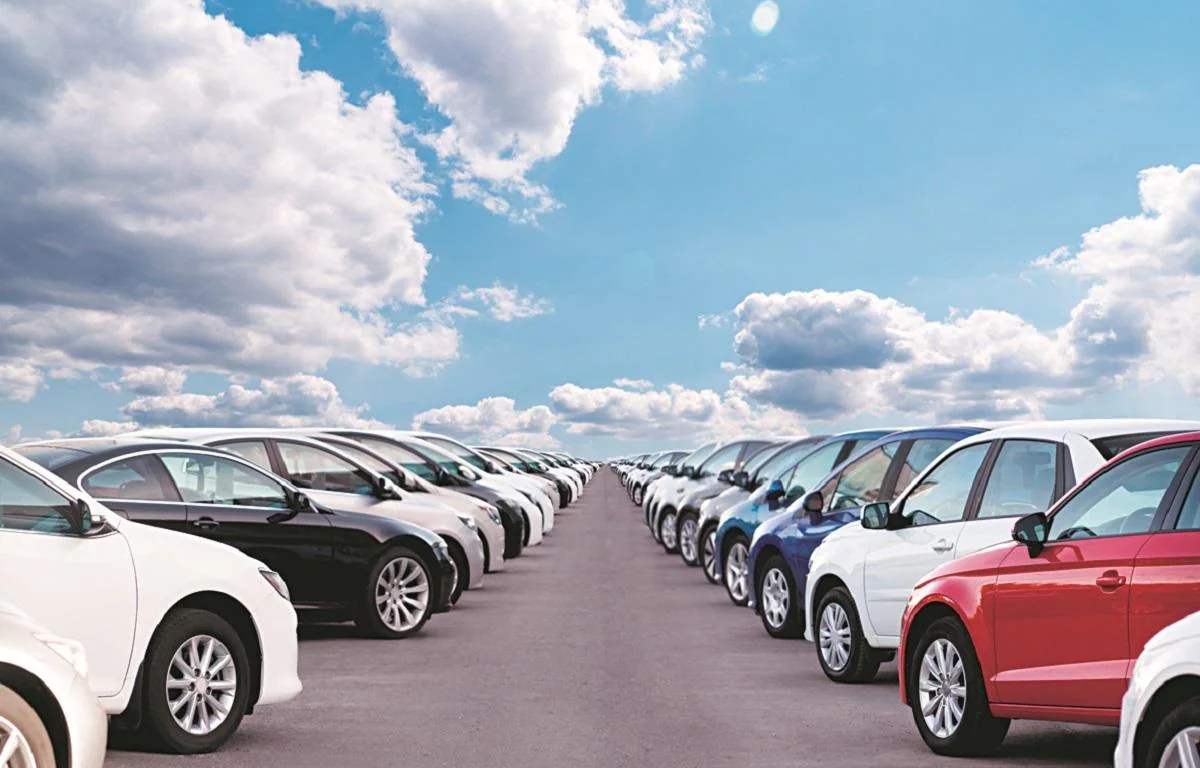
Auto dealerships have long been cornerstones of the automotive industry, serving as the physical and experiential bridge between manufacturers and consumers. Traditionally viewed as transactional spaces where buyers browsed shiny cars and negotiated pricing, dealerships have evolved into dynamic hubs that blend commerce, customer service, and technology. Today’s auto dealership is no longer just about selling vehicles—it is about curating personalized experiences, fostering trust, and adapting to an ever-changing marketplace.
In an age where digital convenience intersects with the timeless thrill of driving a new car, understanding the inner workings and future trajectory of auto dealerships offers a compelling lens through which to explore both consumer behavior and industry innovation.
The Evolution of the Auto Dealership
The journey of the auto dealership is as storied as the automobile itself. In the early 20th century, dealerships were modest operations run by mechanics or entrepreneurs who sold cars from their service garages. As mass production gained momentum, particularly with Henry Ford’s assembly line innovation, dealerships began to formalize into more structured sales environments.
By the 1950s and 60s, the dealership model had become a staple of suburban expansion, with polished showrooms, colorful banners, and promotional events designed to attract the American family. Dealerships became community icons, often passed down through generations, and were central to local economies.
Fast forward to today, and the landscape looks dramatically different—yet the essence remains. The modern dealership must blend the tactile, in-person experiences of test driving and vehicle delivery with the digital ease of online research, virtual inventory browsing, and streamlined financing.
Core Functions of an Auto Dealership
Despite all the change, certain foundational aspects of auto dealerships continue to define their operation. These include:
1. Vehicle Sales
-
New Cars: Authorized dealerships are typically aligned with a specific manufacturer, allowing them to offer the latest models with factory warranties and certified service.
-
Used Cars: Many dealerships also offer certified pre-owned (CPO) vehicles, which are thoroughly inspected and often come with extended warranties.
2. Financing and Insurance (F&I)
-
Auto dealerships often provide in-house financing options, lease agreements, and insurance packages. The F&I office plays a pivotal role in guiding customers through loans, credit checks, and extended warranties.
3. Servicing and Repairs
-
Most dealerships house fully-equipped service centers staffed by factory-trained technicians. Offering routine maintenance, repairs, and recall services, these centers build long-term customer relationships.
4. Parts and Accessories
-
From OEM parts to lifestyle accessories, dealerships supply customers with the tools and enhancements needed to personalize or maintain their vehicles.
The Customer Experience Revolution
A significant shift in the auto dealership space has been the heightened focus on customer experience. No longer content with aggressive sales pitches or prolonged haggling, today’s buyer expects transparency, comfort, and convenience. This has led to a number of innovations:
-
Digital Retailing: Customers can now browse inventory, compare models, apply for financing, and even finalize a purchase—all online.
-
Test Drives at Home: Some dealerships offer delivery of test drive vehicles to a customer’s residence.
-
Transparent Pricing: With consumer empowerment on the rise, many dealerships now adopt a no-haggle pricing model, offering clear and fair rates up front.
-
Personalized Service: CRM tools allow salespeople to tailor communications and offers based on buyer preferences and behavior.
Challenges Facing Modern Dealerships
The transformation of auto dealerships has not been without its hurdles. Some of the major challenges include:
1. Direct-to-Consumer Sales
-
Electric vehicle (EV) manufacturers like Tesla have disrupted the traditional dealership model by selling directly to customers. This bypasses the middleman and challenges the franchise dealership structure.
2. Digital Competition
-
Online car retailers such as Carvana and Vroom offer entirely digital buying experiences, forcing traditional dealerships to rethink their approach.
3. Economic Volatility
-
Interest rate fluctuations, inflation, and supply chain issues (notably during the COVID-19 pandemic) have created instability in inventory and pricing.
4. Changing Consumer Habits
-
Younger buyers are less brand-loyal and more open to shared mobility options like car subscriptions or ride-hailing services. This requires dealerships to consider broader mobility solutions.
Sustainability and the Rise of EVs
Auto dealerships are also navigating the green shift. As nations push for carbon neutrality and manufacturers invest heavily in electric vehicle platforms, dealerships must adapt in several key ways:
-
EV Training: Service technicians must be certified to handle high-voltage electric systems.
-
Charging Infrastructure: Dealerships are investing in on-site charging stations for both sales and service needs.
-
Educating Consumers: Selling EVs involves a deeper consultative process, as buyers may have questions about battery range, charging time, and total cost of ownership.
The Future: A Hybrid Model of Physical and Digital
The future of auto dealerships likely lies in hybridization—where physical locations complement robust digital infrastructures. Human interaction remains critical for test drives, vehicle delivery, and after-sales service, while virtual tools streamline administrative and transactional tasks.
What We Can Expect:
-
Virtual Reality (VR) Showrooms: A fully immersive way to explore vehicles from home.
-
Subscription Services: More dealerships may offer monthly plans that include car usage, maintenance, and insurance.
-
AI-Powered Personalization: From AI chatbots to predictive maintenance alerts, artificial intelligence will redefine customer engagement.
Conclusion: Reinventing the Dealership for the 21st Century
Auto dealerships stand at a fascinating crossroads—balancing legacy practices with modern innovation. While some predict the demise of the traditional dealership model, it is more accurate to forecast reinvention rather than extinction. Dealerships that adapt to new technologies, embrace transparency, and prioritize customer experience will not only survive but thrive.
The automobile may be over a century old, but the ways we buy, sell, and maintain vehicles are in the midst of a profound and promising transformation. As auto dealerships embrace this change, they reaffirm their place not just as sales centers—but as experience-driven gateways to modern mobility.
 Tipz Car Blog