

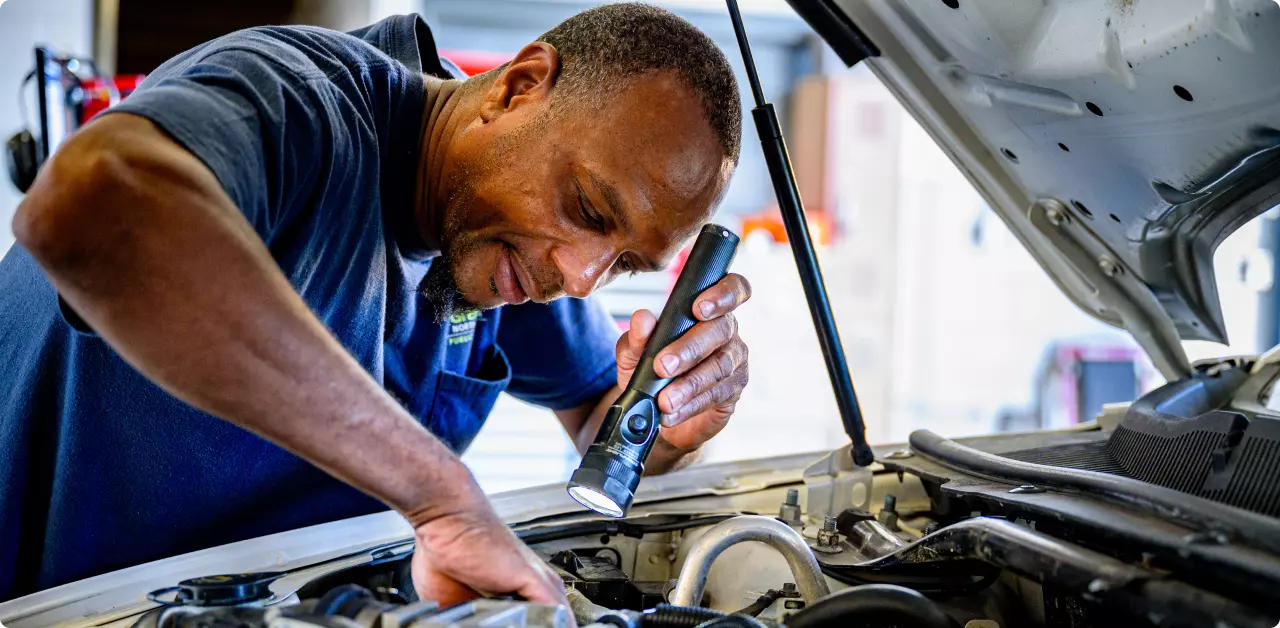
Owning a car is a privilege and a responsibility. Just as a finely tailored suit demands proper care to maintain its elegance, your vehicle requires regular attention to preserve its performance, safety, and aesthetic appeal. In an age where convenience often overshadows diligence, understanding the intricacies of car repair and maintenance has never been more essential. Whether you’re a seasoned driver or new to vehicle ownership, nurturing your car with intention and expertise pays dividends in both longevity and reliability.
Understanding the Basics: Why Maintenance Matters
A car is more than a means of transportation; it’s a complex system of mechanical, electrical, and computerized components working in harmony. Regular maintenance ensures that each of these systems functions optimally, reducing the risk of breakdowns and costly repairs. Ignoring routine care, on the other hand, can quickly turn a reliable ride into a financial burden.
Key Benefits of Routine Maintenance:
-
Enhanced Safety: Well-maintained brakes, tires, and lights significantly reduce the risk of accidents.
-
Fuel Efficiency: A properly tuned engine uses fuel more efficiently, saving money over time.
-
Longevity: Cars that receive consistent care can remain roadworthy for hundreds of thousands of miles.
-
Higher Resale Value: A detailed maintenance history is a major selling point when it’s time to part with your vehicle.
Core Areas of Car Maintenance
Knowing what to look for—and when—can make all the difference in your car’s performance. Below are some core components that demand routine attention.
1. Engine Health
Often referred to as the heart of the car, the engine requires regular oil changes to remain lubricated and cool. Neglecting oil changes can lead to sludge buildup, overheating, or even total engine failure.
-
Check oil levels monthly
-
Change oil and filter every 5,000–7,500 miles (or as recommended by the manufacturer)
-
Inspect belts and hoses for wear or cracks
2. Brake System
A car’s braking system is arguably its most critical safety component. Symptoms of worn brakes include squealing, grinding noises, or a spongy brake pedal.
-
Brake pads and rotors should be inspected every 10,000–20,000 miles
-
Brake fluid should be flushed every 2–3 years
-
Listen for unusual sounds or sensations when braking
3. Tire Care
Tires connect your vehicle to the road. Maintaining proper inflation and alignment improves fuel efficiency and ensures even tread wear.
-
Check tire pressure monthly
-
Rotate tires every 6,000–8,000 miles
-
Inspect tread depth and look for signs of uneven wear
4. Battery Maintenance
Car batteries typically last 3–5 years. Corroded terminals, dim headlights, or a slow engine crank can signal battery trouble.
-
Clean terminals regularly
-
Test battery performance annually
-
Replace when performance declines noticeably
5. Cooling System
A well-functioning cooling system prevents your engine from overheating, especially in extreme temperatures.
-
Check coolant levels seasonally
-
Flush and replace coolant every 2–3 years
-
Inspect radiator and hoses for leaks or cracks
When Repairs Are Unavoidable
Even the best-maintained vehicles will require repairs at some point. Understanding common repair needs can help you approach them with clarity and confidence.
Common Car Repairs:
-
Alternator Replacement: When your car struggles to start or accessories flicker, the alternator may be failing.
-
Transmission Repairs: Slipping gears or delayed acceleration can indicate transmission issues—complex and often expensive to fix.
-
Suspension Work: If your ride feels rough or uneven, your shocks or struts may need attention.
-
Check Engine Light Diagnostics: This catch-all warning should never be ignored. A professional scan can pinpoint the exact issue.
Choosing a trustworthy mechanic is paramount. Seek ASE-certified technicians, read reviews, and don’t hesitate to ask for a detailed breakdown of any recommended repairs.
DIY vs. Professional Service: Knowing Your Limits
While changing your own oil or replacing wiper blades is entirely doable for most car owners, some tasks are best left to trained professionals. Modern vehicles are equipped with intricate electronics and advanced diagnostics, making certain repairs complex and potentially dangerous to attempt without the proper tools and knowledge.
DIY-Friendly Tasks:
-
Replacing air filters
-
Swapping out spark plugs
-
Changing windshield wipers
-
Installing new cabin filters
Professional-Only Tasks:
-
Transmission repair
-
Engine diagnostics
-
Brake fluid and system repair
-
Electrical system diagnostics
Seasonal Maintenance Tips
Each season brings unique challenges for your car. Tailoring your maintenance routine to the time of year ensures optimal performance and safety.
Spring & Summer:
-
Inspect air conditioning systems
-
Check and top off coolant levels
-
Test battery after winter strain
Fall & Winter:
-
Switch to winter-grade oil (if applicable)
-
Test the heater and defroster
-
Replace wiper blades and refill windshield washer fluid with anti-freeze formula
-
Install winter tires for enhanced grip on icy roads
Building a Maintenance Schedule
Staying ahead of issues is much easier when you have a proactive maintenance calendar. Refer to your vehicle’s owner’s manual for manufacturer-recommended service intervals. Consider using a digital maintenance app or journal to track services performed.
Basic Schedule Example:
-
Every month: Check tire pressure, fluid levels
-
Every 5,000–7,500 miles: Oil and filter change
-
Every 15,000–30,000 miles: Air filter replacement
-
Every 60,000–100,000 miles: Timing belt replacement, major inspections
Final Thoughts: Treat Your Car Like a Valued Investment
A well-maintained car is not merely a reliable mode of transport—it’s a reflection of your attention to detail and respect for quality. Much like any enduring relationship, the bond between driver and machine is forged through care, understanding, and timely action. Investing in car maintenance isn’t just about preserving value—it’s about embracing the confidence and peace of mind that come with knowing your vehicle is in peak condition, ready for the road ahead.
 Tipz Car Blog