

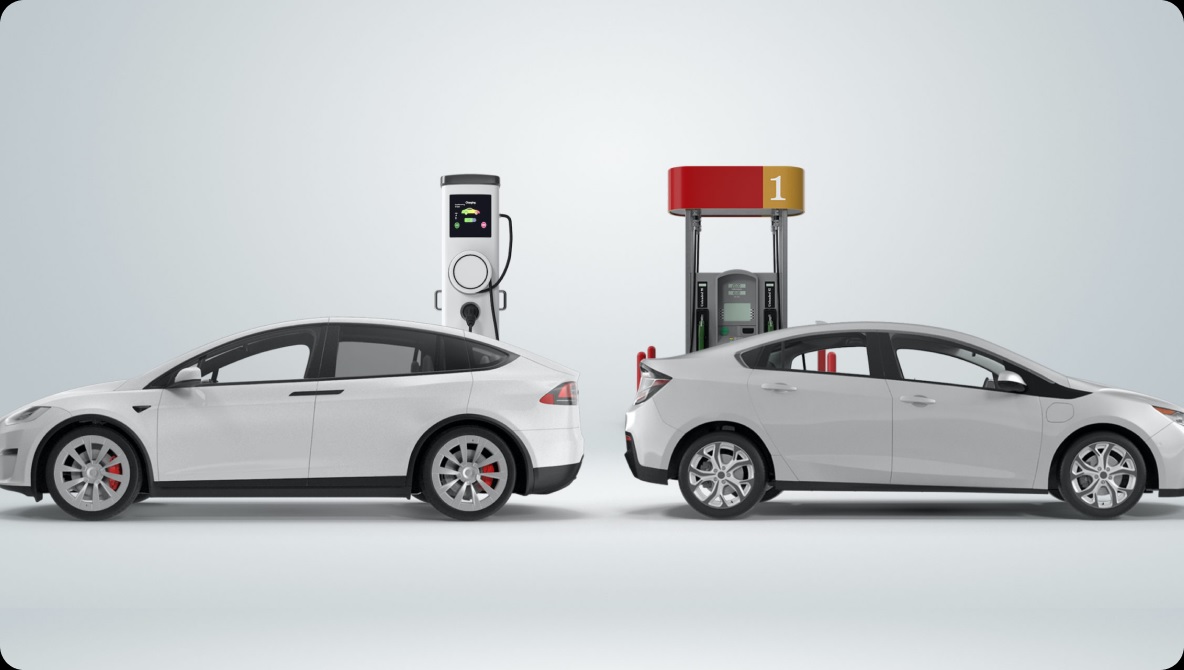
Introduction: A Revolution on Wheels
In the past decade, the automotive industry has witnessed a paradigm shift. The rise of electric and hybrid vehicles is not merely a passing trend but a profound transformation shaping the future of mobility. As concerns about climate change, fossil fuel dependence, and urban pollution grow increasingly urgent, electric and hybrid vehicles (EVs and HEVs) have emerged as intelligent and sustainable alternatives to traditional internal combustion engine (ICE) cars. These next-generation vehicles represent more than just technological innovation—they embody a movement toward environmental stewardship, energy efficiency, and progressive design.
Understanding the Basics: Electric vs. Hybrid
Before diving deeper, it is essential to distinguish between electric vehicles and hybrid vehicles.
Electric Vehicles (EVs):
-
Powered exclusively by electricity
-
Run on one or more electric motors
-
Rechargeable through external power sources (charging stations)
-
Zero tailpipe emissions
Hybrid Electric Vehicles (HEVs):
-
Combine a gasoline engine with an electric motor
-
Can switch between or combine both power sources
-
Regenerate energy during braking to charge the battery
-
Lower emissions compared to conventional vehicles
A Brief Historical Glance
While EVs may seem like a 21st-century marvel, their roots trace back to the 19th century. The first electric car was built in the 1830s, long before gasoline-powered vehicles became mainstream. By the early 1900s, electric cars were surprisingly popular, especially in urban centers. However, with the advent of mass production and cheap oil, ICE vehicles quickly dominated the market. It wasn’t until the 1990s and early 2000s that EVs and hybrids began their resurgence, thanks to tightening emissions regulations and technological advancements. Today, with companies like Tesla, Toyota, BYD, and Nissan leading the charge, electric and hybrid vehicles are once again capturing the world’s attention.
Environmental Impact and Sustainability
Perhaps the most compelling argument for EVs and HEVs lies in their potential to drastically reduce greenhouse gas emissions.
Key environmental benefits include:
-
Zero or Low Emissions: EVs produce no tailpipe emissions, and HEVs emit far less than ICE vehicles
-
Improved Urban Air Quality: Reducing emissions helps lower smog and airborne toxins in cities
-
Energy Efficiency: Electric motors are inherently more efficient than combustion engines
-
Renewable Integration: EVs can be charged using solar or wind power, enhancing their sustainability profile
Nonetheless, it’s important to acknowledge the environmental impact of battery production. Lithium-ion batteries require mining of materials like lithium, cobalt, and nickel. While not without challenges, growing efforts in recycling, ethical sourcing, and alternative battery chemistries promise more sustainable solutions.
Economic Factors and Cost Dynamics
At first glance, EVs often appear more expensive than their gasoline counterparts. However, a closer inspection reveals a different story.
Long-term financial advantages include:
-
Lower Operating Costs: Electricity is cheaper than gasoline, and EVs have fewer moving parts, reducing maintenance
-
Incentives and Tax Credits: Many governments offer subsidies, rebates, or tax incentives to promote EV adoption
-
Resale and Depreciation Trends: As demand grows, resale value for EVs has become more competitive
-
Corporate Fleets: Businesses are increasingly integrating EVs to reduce fuel costs and meet sustainability goals
Battery prices, a major cost driver, have also seen a sharp decline in recent years, making electric vehicles more accessible than ever before.
Technological Advancements and Infrastructure Growth
The success of electric and hybrid vehicles depends not just on the cars themselves but also on the surrounding ecosystem.
Significant technological progress includes:
-
Improved Battery Range: Modern EVs now routinely offer over 300 miles on a single charge
-
Faster Charging Solutions: With the advent of ultra-fast chargers, charging time has reduced to under 30 minutes
-
Vehicle-to-Grid (V2G) Tech: Cars can now act as energy storage units, feeding electricity back to the grid
-
Smart Integration: EVs come equipped with cutting-edge software, AI-based energy management, and autonomous capabilities
Infrastructure expansion is equally vital. Countries around the world are rapidly increasing the number of public charging stations, often integrating them into urban planning and highway systems.
Challenges and Considerations
Despite the enthusiasm, several hurdles remain on the road to full EV and HEV adoption.
Challenges include:
-
Charging Infrastructure in Rural Areas
-
Battery Recycling and Disposal
-
Limited Range in Budget Models
-
Grid Capacity and Energy Demand
Policymakers and private enterprises must collaborate to address these gaps through innovation, investment, and regulatory support.
The Global Perspective
The shift toward electric mobility is global. Norway leads the world in EV adoption per capita, with nearly 80% of new car sales being electric. China, the world’s largest car market, aggressively supports EVs through subsidies and manufacturing prowess. The European Union has set ambitious targets for phasing out fossil-fuel cars, while India, Japan, and the United States are all ramping up investment in green transport.
What Lies Ahead: The Road to 2030 and Beyond
Experts predict that by 2030, EVs could make up over 50% of new car sales globally. This transition is expected to reshape industries, influence urban design, and redefine the very concept of mobility. Innovations such as solid-state batteries, wireless charging, and fully autonomous electric fleets are already on the horizon. As governments commit to net-zero emissions targets, electric and hybrid vehicles will play a pivotal role in decarbonizing the transport sector.
Conclusion: A Movement, Not Just a Market Shift
Electric and hybrid vehicles are not merely products—they symbolize a broader movement toward sustainability, intelligence, and innovation. As technology continues to evolve and societal values shift toward environmental consciousness, the road ahead for electric mobility appears not only promising but inevitable. The choices consumers, businesses, and governments make today will not only shape the transportation of tomorrow but will define the legacy we leave behind. Driving electric is no longer a luxury or an experiment—it’s a commitment to a cleaner, smarter world.
 Tipz Car Blog